
Using Incentives To Motivate Employees
Incentives can be important to inspire motivation and performance. In the workplace, incentives can attract desirable applicants, motivate employees’ productivity and build company loyalty. Having the ability to use incentives effectively is a valuable skill you can develop that takes insight and creativity. In this article, we explain individual and group incentives, their benefits, examples and tips for their implementation.
What are incentives?
Incentives are anything that inspires or motivates an individual or group to do something. In business, incentives are programs and rewards put in place to encourage employees to take certain actions and reach prescribed goals. These can be monetary or nonmonetary and can be awarded to individual employees, teams, branches or the entire company.
However, the most effective application of incentives typically includes some combination of all these methods because not all employees respond to the same type of motivation or incentive program. Balancing individual incentives with group incentives may keep competition friendly and ethical while maintaining the value of teamwork and collaboration.


Individual vs. group incentives
Supervisors need to understand how to motivate employees using incentives. Here are the two primary types of incentives used in business:
- Individual incentives: Individual incentives are rewards targeted to the measurable contributions of each employee. They encourage employees to perform at their highest levels and ensure each individual gets the credit they deserve.
- Group incentives: Depending on the company structure, you may consider group incentives to motivate and reward teams of employees working on a project. Group incentives can foster team identity and encourage communication, collaboration and mentorship of junior employees.
Benefits of incentives
Incentives, both financial and nonfinancial, can increase productivity, foster employee loyalty, increase morale and accountability because employees may feel valued when rewarded for their achievements. You can also use incentive programs to develop your desired company culture.Incentives also provide a higher quality of life for employees. Quality of life is one of the most cited reasons given for why people choose to change careers. By offering competitive incentives, you may improve retention and guard against talent poaching. Over time, a successful incentives program can improve company morale, reduces costs and maintain consistent productivity.

Types of incentives
Here is a list of popular incentives to consider as rewards to motivate your employees:

Salary incentives
A competitive salary can be a strong financial incentive. It can attract more qualified candidates to a company, and regular raises may keep employees content and uninterested in looking for alternate employment. Salary incentives reward education, experience and loyalty.

Subsidies
Subsidies provide a set amount of money to assist an employee in performing the desired tasks. These may include a stipend for work expenses or paying for a portion of an employee’s continued education.

Tax incentives
Employers can provide tax incentives to job candidates by hiring them as full employees instead of as a contractor or with nonemployee status. Employees pay less in federal taxes and sometimes less in state taxes, depending on the state they file their income taxes in.

Reimbursement
Providing an easy and accurate method for reimbursing employees when they spend money on work-related expenses, like business trips, may increase employee confidence and willingness to do similar tasks in the future.

Negative incentives
Also called disincentives, negative incentives are essentially punishments used to discourage certain actions. These may be tricky to apply in the workplace but can include the loss of privileges or letters of reprimand.

Wage incentives
Also referred to as raises, wage incentives reward employees based on efficient job performance and productivity.

Profit-sharing
Profit-sharing sets a goal for company earnings and the company distributes any money beyond that goal among its employees. The logic behind this plan is that if employees know they will get a share of profit above their regular salary, then they may work harder to maximize the company’s profits.
Bonuses
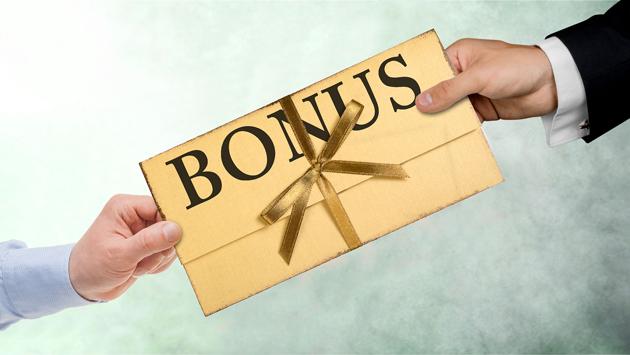
A bonus is a reward based on employee performance during a certain time period. Quarterly and annual bonuses are common across most industries. You can use bonuses as individual or group incentives.

Commissions
Commissions guarantee employees a set monetary reward for each unit sold, encouraging employees to maximize their sales efforts.

Competition
Competitions can be among individual employees or between teams, and the rewards may be monetary or nonmonetary. Using competitions as incentives may encourage and recognize extra effort and can help shape company culture.
Opportunity
Opportunity incentives may include more challenging or prestigious assignments and access to continued education or training. These incentives promote loyalty by offering employees the chance to progress within the company.

Praise
Praise is a nonmonetary incentive that can have a big impact on employee performance and morale. One-on-one praise is especially meaningful in building a positive personal relationship with your employees.

Fringe benefits
Fringe benefits are a form of indirect financial incentives where your employer covers major financial expenses for an employee. These can include insurance, childcare, housing or a company car. Fringe benefit packages are especially powerful incentives during hiring.

Co-partnership
Co-partnership rewards qualifying employees with shares in the company. This method of incentive is an effective motivator because it offers the opportunity for financial gain and increases employee investment in the company’s continued success.

Dearness allowance
A dearness allowance is a common financial incentive used by employers to protect employee wages from the effects of inflation. The amount paid may vary by industry, rate of inflation and location. Consider adding a dearness allowance to the salary of your employees to help them maintain a reasonable standard of living.

Promotion
Promotion opportunities are one of the most powerful work incentives available. Hiring from within the company by promotion rewards individual excellence and can motivate all employees and foster loyalty by offering the opportunity for career advancement.
Showing results
In many industries today, employees are less connected to the results or products of their labor. This disconnect can negatively affect motivation and morale. However, you can increase both by making employees more aware of what they are working to achieve. By showing them the results or finished product of the company, they may feel more included in the bigger picture.

Paid vacation
People need breaks to prevent burnout. However, some employees may be reluctant to take unpaid leave and over time this can affect their performance. Paid vacations encourage employees to take breaks when they need them and can help reduce job fatigue. They can also be a persuasive incentive for prospective employees.

Positive work environment
Being in a positive environment where employees feel comfortable can increase the productivity of your employees and make the business more desirable to qualified job applicants.

Donation matches
Contributing to charitable causes can increase company pride and morale among employees. Implementing a plan to match your employees’ donations to the causes they care about shows that the company cares just much about making a difference and supporting the local community as its employees.

Compensatory time off
Compensatory time off, also known as “comp time”, is the practice of offering employees additional time off instead of overtime or holiday pay. Having an extra day or week off during the year can mean a more rested employee.

Recognition
Public recognition of an individual or team accomplishment can be an effective incentive for productivity, loyalty and excellent performance. Consider methods of public recognition appropriate for your industry. These can include an employee of the month plaque, awards, a company celebration, special insignia for employee uniforms or years-of-service pins.
About Indeed
Indeed is the world’s #1 job site[1]and a global leader in job matching and hiring, operating in over 60 countries. More people find jobs on Indeed than anywhere else because we put job seekers first—offering powerful tools to search jobs, post resumes, research companies, and more.
Powered by AI and extensive proprietary jobs and hiring data, Indeed is transforming how people and employers connect. Every day, we help tens of millions of job seekers discover new opportunities and empower millions of employers to find the right talent through innovative AI-driven solutions that simplify and accelerate the hiring process. Indeed is a subsidiary of Recruit Holdings, a global leader in HR technology and business solutions that is simplifying hiring and transforming the world of work.
Contact Us Today

- 2026 • Indeed